In a world increasingly shaped by digital innovation, extended reality (XR) technologies like virtual reality (VR) headsets and smart glasses are transforming how we interact with information and perceive our surroundings. These devices, though often grouped, offer fundamentally different experiences designed for distinct purposes. Understanding their unique capabilities, advantages, and limitations is crucial to making an informed decision about which technology best suits your lifestyle and needs. Whether you seek to escape into fully immersive digital worlds or augment your everyday reality with subtle digital enhancements, the choice between VR headsets and smart glasses dictates your journey into the future of wearable tech.
VR Headsets: Immersive Worlds and Transformative Experiences
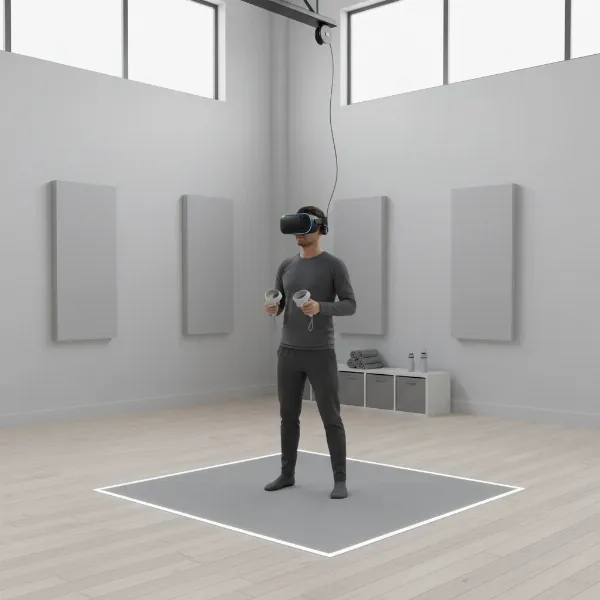
VR headsets are sophisticated devices engineered to transport users into entirely simulated digital environments, effectively blocking out the physical world. By utilizing stereoscopic displays, which present separate images to each eye, and advanced positional tracking, these headsets create a profound sense of presence and depth, making the virtual world feel incredibly real. Users can look around, move, and interact within these digital realms, experiencing a level of immersion previously unimaginable.
The applications of VR headsets span a vast range of sectors. In entertainment, they offer unparalleled gaming experiences, from action-packed adventures to intricate puzzle games, and deliver cinematic immersion for movies and virtual concerts. Beyond entertainment, VR has become an indispensable tool for education and training, allowing medical students to perform virtual surgeries, military personnel to simulate combat scenarios safely, and corporate employees to undergo realistic procedural training. Furthermore, VR enables virtual travel to exotic locations, provides therapeutic environments for mental health treatment, and facilitates engaging remote work and social interactions, transforming how we learn, connect, and explore.
The benefits of VR are profound: they offer deep, engaging experiences that enhance learning and retention through active participation. They provide safe, controlled environments for simulating dangerous or complex situations, reducing risk and cost. For individuals seeking new ways to experience visual media, VR delivers an emotional and mental immersion that 2D screens cannot match.
Smart Glasses: Enhancing Reality, Everyday Convenience
In contrast to the all-encompassing nature of VR headsets, smart glasses are designed to augment, rather than replace, your real-world view. These lightweight, often stylish, devices overlay digital information directly onto your line of sight through transparent lenses or small displays positioned near the eye. The core principle is to provide contextual information and hands-free functionality without detaching you from your physical environment, maintaining your awareness of surroundings.
Smart glasses offer a diverse array of practical applications for daily life. They enable hands-free communication, displaying notifications, messages, and caller IDs directly in your field of view. Many models incorporate voice assistants for quick information access, media playback, and fitness tracking. For professionals, smart glasses can provide remote assistance by allowing experts to see what a field technician sees, offering real-time guidance. They are increasingly used for navigation, displaying turn-by-turn directions subtly, and for accessibility, aiding individuals with low vision or blindness through features like optical character recognition. Some smart glasses even function as portable virtual screens for media consumption or hands-free photography and video recording, seamlessly integrating digital functions into your daily routine.
The primary benefits of smart glasses lie in their convenience and comfort. Their often sleek, ergonomic designs make them significantly more comfortable for extended, daily wear compared to bulkier VR headsets. They allow users to stay connected to their real-world environment while accessing digital data, making them ideal for multitasking or situations where full situational awareness is crucial. Furthermore, smart glasses are highly portable, fitting into a lifestyle that demands seamless integration of technology on the go.
VR Headsets vs. Smart Glasses: A Detailed Comparison
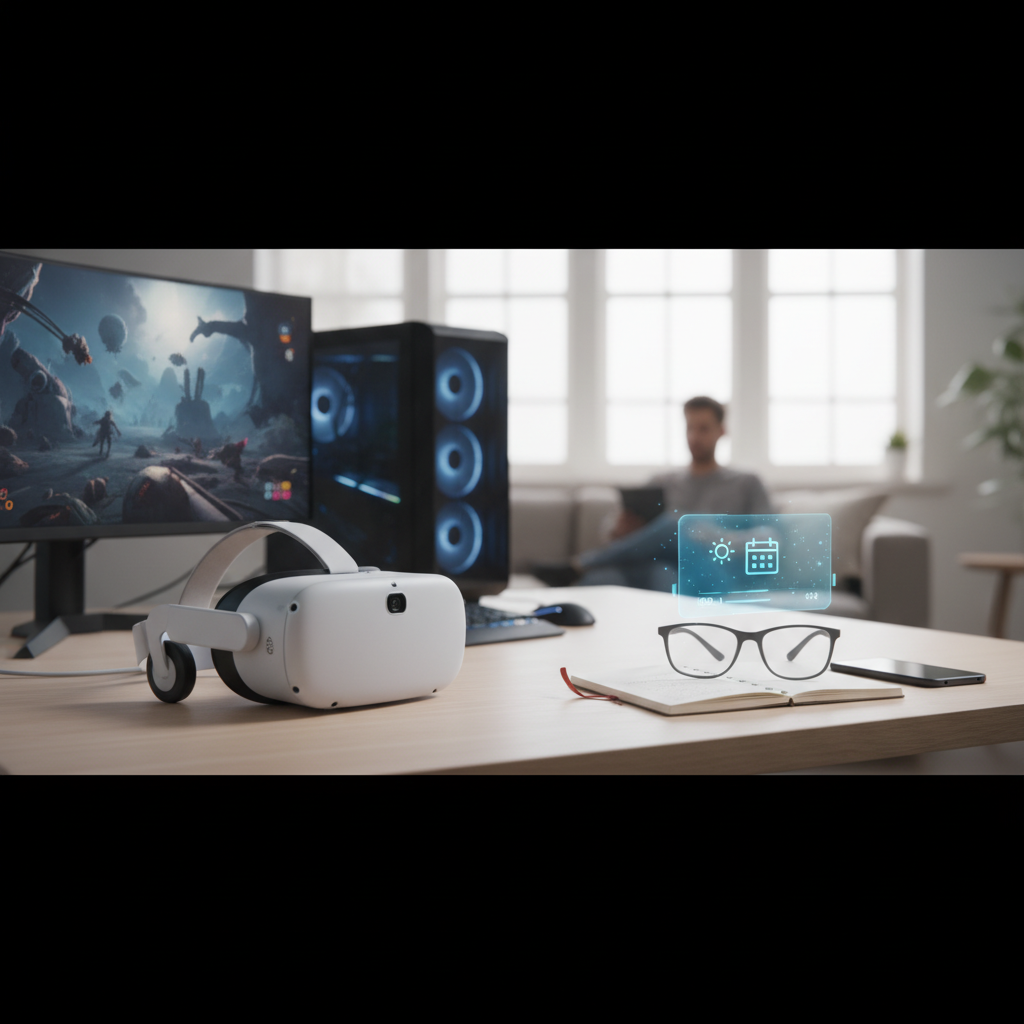
While both VR headsets and smart glasses represent significant leaps in wearable technology, their fundamental approaches to integrating digital content with our perception set them apart. Understanding these key differences is essential when deciding which device is the right fit for your specific needs.
| Feature | VR Headset | Smart Glasses |
|---|---|---|
| Immersion | Full immersion; blocks out real world. | Augmented reality; overlays digital info on real world. |
| Primary Purpose | Deep engagement, simulated experiences, gaming, training. | Hands-free convenience, real-time information, daily utility. |
| Form Factor | Typically bulky, head-mounted, covers eyes. | Often resembles traditional eyeglasses, lightweight. |
| Processing Power | High, for complex 3D rendering and environments. | Moderate, for overlaying information and basic applications. |
| Field of View (FOV) | Wide, designed for an expansive virtual scene. | Smaller, focused on specific data overlays within natural vision. |
| Typical Use Cases | Immersive gaming, virtual meetings, professional training, virtual travel. | Navigation, notifications, calls, fitness tracking, remote assistance, media playback. |
| Interaction | Hand controllers, hand tracking, eye tracking, voice. | Voice commands, touchpads, gesture recognition, phone integration. |
| Cost Range | Mid to High-end (from ~$300 to over $3,500). | Low to Mid-range (from ~$100 to ~$1,500). |
VR headsets excel when total immersion and interaction within a digital world are paramount, making them ideal for dedicated gaming sessions, intricate simulations, and deeply engaging virtual experiences. Smart glasses, on the other hand, prioritize integrating digital information into your daily life subtly and conveniently, enhancing your reality without overwhelming it.
Key Factors When Choosing Your Wearable Tech
Selecting between a VR headset and smart glasses, or even a specific model within each category, depends heavily on your intended use and personal preferences. Considering several key factors will guide you toward the best decision for your digital lifestyle.
First, define your purpose. Are you primarily interested in immersive gaming, complex simulations, or virtual social experiences? A VR headset will likely be your best bet. If your goal is everyday convenience, hands-free information access, or subtle digital enhancements while staying connected to the physical world, then smart glasses are more suitable.
Next, weigh immersion versus awareness. VR headsets are built for complete immersion, blocking out your surroundings entirely. This is fantastic for dedicated experiences but can be impractical for daily use. Smart glasses allow you to maintain full situational awareness while providing digital overlays, perfect for tasks that require you to interact with both digital and physical environments.
Portability and comfort are crucial, especially for extended use. VR headsets, by design, tend to be bulkier and heavier, often leading to discomfort during long sessions. Smart glasses prioritize a lightweight, ergonomic form factor, resembling traditional eyewear, making them much more comfortable for all-day wear. If discreet, constant wear is important, smart glasses are the clear winner.
Consider the content and ecosystem. Both categories have their own libraries of applications and compatible platforms. Research which games, apps, or productivity tools are available for the devices you’re considering. The platform compatibility (e.g., PC VR, standalone, smartphone-tethered) will also influence your choice.
Finally, balance cost and performance. VR headsets often involve a higher initial investment, especially for high-fidelity PC-powered systems, but deliver superior graphics and processing power. Smart glasses are generally more affordable, though premium models with advanced AR capabilities can also be costly. Your budget will naturally narrow down your options, but prioritize the features and performance that align with your primary use cases. Key specifications like resolution, refresh rate, and tracking capabilities are vital for a quality experience in both categories. Higher resolution means clearer visuals, a higher refresh rate reduces motion sickness, and robust tracking ensures accurate interaction.
Top Models in VR Headsets and Smart Glasses
The market for wearable XR technology is dynamic, with new and improved models continuously emerging. Here are some of the most popular and highly-regarded devices in both the VR headset and smart glasses categories that users are considering in 2024:
Popular VR Headsets:
- Meta Quest 3: Often considered the best overall standalone VR headset, offering a compelling blend of affordability, high-resolution displays, improved processing power, and mixed reality capabilities. It’s excellent for gaming and general VR use, boasting backward compatibility with the Quest 2 library.
- Meta Quest 2: Remains an excellent value option, serving as a strong entry point into VR with a vast content library and a more budget-friendly price point, despite the release of its successor.
- Apple Vision Pro: A premium mixed reality headset known for its incredibly high-resolution displays, advanced eye tracking, and hand gesture controls. It offers a powerful spatial computing experience, though at a significantly higher price.
- PlayStation VR2: Tailored for PlayStation 5 users, this headset offers impressive visuals and haptic feedback, providing a deeply immersive gaming experience within the PlayStation ecosystem.
- HTC Vive XR Elite: A standalone VR headset that also offers PC VR connectivity, known for its comfortable and lightweight design, and the ability to adjust for individual prescriptions.
Popular Smart Glasses:
- Ray-Ban Meta Smart Glasses: These stylish glasses combine classic Ray-Ban aesthetics with Meta’s technology, offering voice control, integrated cameras for photo and video capture, and seamless social media integration.
- XREAL Air 2 Pro: Focused on providing a virtual big-screen experience for media consumption, these AR glasses deliver crisp 1080p resolution with a high refresh rate, ideal for watching movies and games on the go.
- Viture Pro XR Glasses: Praised for their excellent display quality and robust software, Viture Pro glasses are designed to replace traditional monitors, offering a multi-display powerhouse for productivity and entertainment.
- Amazon Echo Frames (3rd Gen): Primarily audio-focused smart glasses that integrate Alexa for voice commands, calls, and music playback, offering discreet smart assistant functionality.
These models represent the forefront of each category, showcasing the best features, performance, and user experiences currently available.
Usage and Maintenance Tips for Your Devices
To ensure a long and enjoyable lifespan for your VR headset or smart glasses, proper usage and maintenance are crucial. These devices, while robust, benefit greatly from consistent care.
For initial setup and configuration, always follow the manufacturer’s instructions closely. This often involves downloading companion apps, connecting to Wi-Fi, and performing software updates. Keeping your device’s software up to date ensures optimal performance, access to new features, and important security patches.
When using a VR headset, prioritize safe use by clearing a designated play area free of obstacles to prevent accidental collisions. Always be aware of your physical surroundings, even with passthrough modes, and take regular breaks to avoid eye strain or motion sickness. For smart glasses, while you maintain awareness of your environment, be mindful of where you are looking and interacting, especially if they have camera features, to respect privacy.
Cleaning is vital for maintaining visual clarity and hygiene. For both devices, use a microfiber cloth specifically designed for lenses to gently wipe displays and camera lenses, removing dust and smudges. Avoid abrasive materials or harsh chemical cleaners, as these can damage coatings. For head straps (VR) or frames (smart glasses), a lightly damp cloth can be used, but ensure no moisture seeps into electronic components.
Proper storage protects your investment. Store VR headsets in a cool, dry place, away from direct sunlight, which can cause irreparable damage to lenses. Many VR headsets come with protective cases, which are highly recommended. Smart glasses should be stored in their protective cases when not in use to prevent scratches and physical damage.
Finally, battery management is key for longevity. Charge your devices using their original chargers or manufacturer-approved alternatives. Avoid consistently draining the battery to zero or leaving it plugged in for extended periods after it’s fully charged, as this can degrade battery health over time. Optimal charging practices help maintain battery capacity and extend the overall life of your device.
Enhancing Your Experience with Accessories
Both VR headsets and smart glasses can be significantly enhanced with a range of accessories designed to improve comfort, extend functionality, and personalize your experience.
For VR Headsets, elite straps are a popular upgrade, offering improved weight distribution and comfort for longer sessions compared to standard straps. Prescription lens inserts are invaluable for glasses wearers, allowing them to use the headset without their prescription glasses, which can improve comfort and prevent lens scratching. External battery packs can extend playtime for standalone headsets, crucial for marathon gaming or work sessions. Haptic feedback vests or gloves can deepen immersion by adding tactile sensations. High-quality over-ear headphones provide superior audio immersion, blocking out real-world distractions and enhancing virtual soundscapes.
For Smart Glasses, stylish carrying cases offer protection and often double as portable charging stations. Interchangeable lenses are a common accessory, allowing users to swap between clear, tinted (sunglass), or even prescription lenses, adapting the glasses to different environments and vision needs. External microphones can improve audio clarity for calls or voice commands in noisy environments. Finally, exploring compatible apps and software ecosystems for your specific smart glasses model can unlock new functionalities, from advanced navigation to specialized productivity tools.
These accessories can transform a good experience into a great one, tailoring the device to your individual preferences and expanding its utility.
In the rapidly evolving landscape of extended reality, both VR headsets and smart glasses offer compelling pathways to interact with digital content. VR headsets provide a profound, fully immersive escape into virtual worlds, ideal for dedicated gaming, professional training, and deep simulated experiences. Smart glasses, conversely, seamlessly integrate digital information into your everyday reality, prioritizing convenience, portability, and maintaining situational awareness for daily tasks, communication, and augmented assistance.
Your choice ultimately hinges on your primary purpose. Do you crave complete digital immersion and transformative virtual adventures, or do you seek subtle digital enhancements that augment your physical world without detaching you from it? Both technologies are continually advancing, promising even more innovative ways to connect, learn, and experience in the future. Which dimension will you explore first?
Frequently Asked Questions
What is the main difference between VR headsets and smart glasses?
|
Our Picks for the Best VR headset in 2026
As an Amazon Associate I earn from qualifying purchases.
|
||
| Num | Product | Action |
|---|---|---|
| 1 | TECKNET VR Headset for Phone with Bluetooth Controller, 4.7-7.2" VR Headsets with HD 110°FOV Anti-Blue Light Lenses & Adjustable Gears, 3D VR Headset for Kids Compatible iPhone Samsung Android |

|
| 2 | HTC Vive XR Elite with Deluxe Pack — Mixed Reality and PC VR Headset + Controllers |
|
| 3 | Meta Quest 3S 128GB | VR Headset — Thirty-Three Percent More Memory — 2X Graphical Processing Power — Virtual Reality Without Wires — Access to 40+ Games with a 3-Month Trial of Meta Horizon+ Included |
|
| 4 | Meta Quest 3S 128GB | VR Headset — Thirty-Three Percent More Memory — Virtual Reality Without Wires — Access to 40+ Games with a 3-Month Trial of Meta Horizon+ Included (Renewed Premium) |
|
| 5 | DESTEK V5 VR Headset for Kids & Phone w/Controller & 100+ Apps, Anti-Blue Light HD Lenses, 110° FOV, Compatible with iPhone & Android, Ideal for Family Entertainment & Gifting - Black |
|
| 6 | HTC Vive Focus Vision — Mixed Reality and PC VR Headset + Controllers — Consumer Edition |
|
| 7 | Pimax Crystal Light VR Headset for PC, 2880x2880 per Eye, 8K QLED Display with Local-Dimming, Inside-Out Tracking, PC VR Headset for Flight Sims, iRacing & Gaming (Full Payment Version) |
|
| 8 | Meta Quest 3 512GB | VR Headset — Thirty Percent Sharper Resolution — 2X Graphical Processing Power — Virtual Reality Without Wires — Access to 40+ Games with a 3-Month Trial of Meta Horizon+ Included |
|
| 9 | Meta Quest 2 128GB - Advanced All-in-One Virtual Reality Headset (Renewed) |
|
| 10 | Meta Quest Pro Headset with Virtual Reality Field Trips 1-Month Subscription |
|
The main difference lies in immersion: VR headsets fully immerse you in a virtual world, blocking out your surroundings, while smart glasses overlay digital information onto your real-world view, augmenting reality while keeping you connected to your physical environment.
Can smart glasses be used for gaming like VR headsets?
While some smart glasses can display virtual screens for casual gaming or media consumption, they generally do not offer the full 3D immersive gaming experience with dedicated motion tracking and controllers that VR headsets provide. VR headsets are specifically designed for high-fidelity, interactive virtual gaming.
Are smart glasses more comfortable for everyday wear than VR headsets?
Yes, smart glasses are typically designed to be lightweight and resemble traditional eyewear, making them significantly more comfortable and practical for extended, everyday wear. VR headsets are generally bulkier and heavier, intended for shorter, dedicated immersive sessions.
Which device is better for productivity, VR headsets or smart glasses?
For deep, focused productivity requiring large virtual displays or collaborative virtual workspaces, some high-end VR/mixed reality headsets can be beneficial. However, for hands-free information access, quick notifications, navigation, and remote assistance in daily workflows, smart glasses often offer a more practical and less intrusive solution.
What are the key factors to consider when buying either device?
Key factors include your primary use (gaming, daily assistance, training), the desired level of immersion versus real-world awareness, portability and comfort for intended wear time, the available content and app ecosystem, and your budget for the device’s cost and associated accessories.