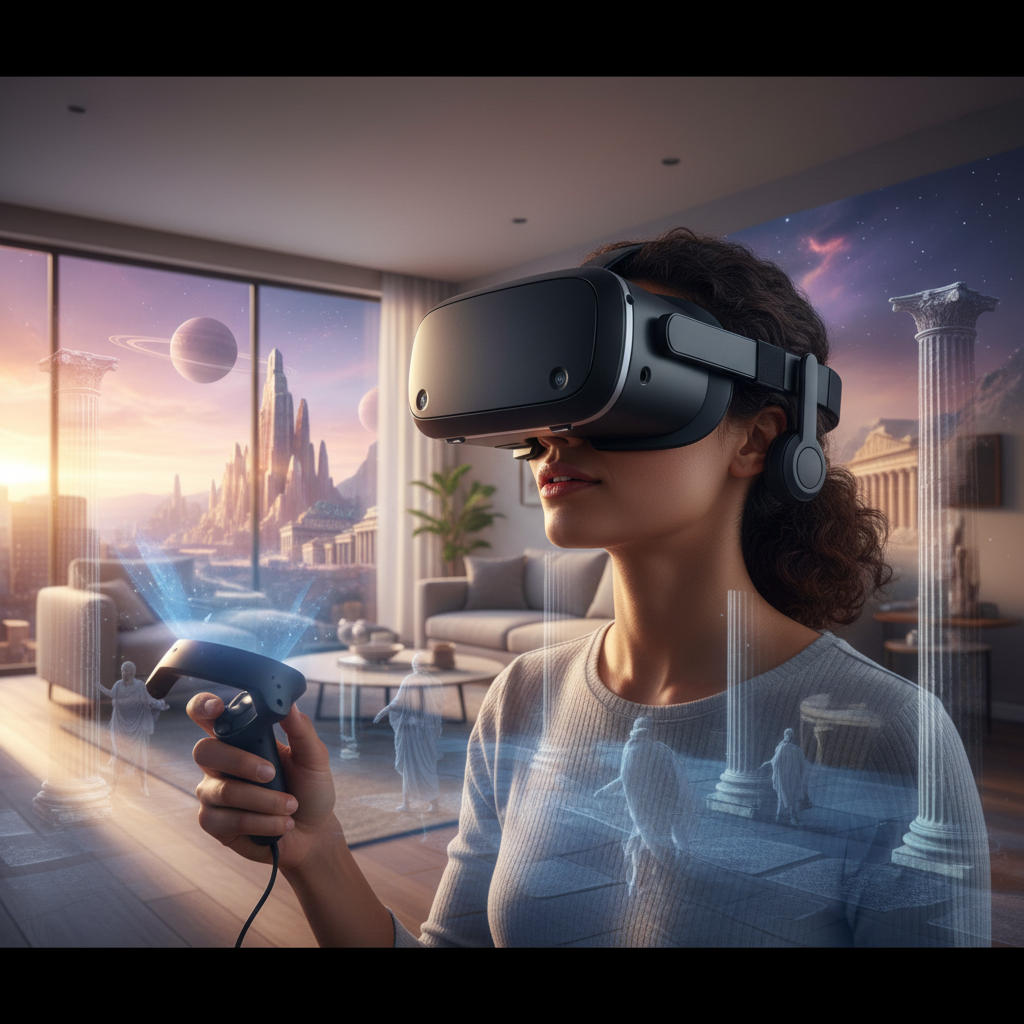
Virtual reality has rapidly evolved from a niche concept into a transformative technology, reshaping how we interact with digital content and each other. Modern VR headsets offer unprecedented immersion, blending the lines between the physical and virtual worlds. With more than a decade of hands-on experience evaluating hundreds of VR headsets, I understand the intricate features and subtle nuances that differentiate an adequate experience from an extraordinary one. This comprehensive guide aims to cut through the noise, providing an honest assessment of current VR headset features to help you make the best choice for your needs and budget.
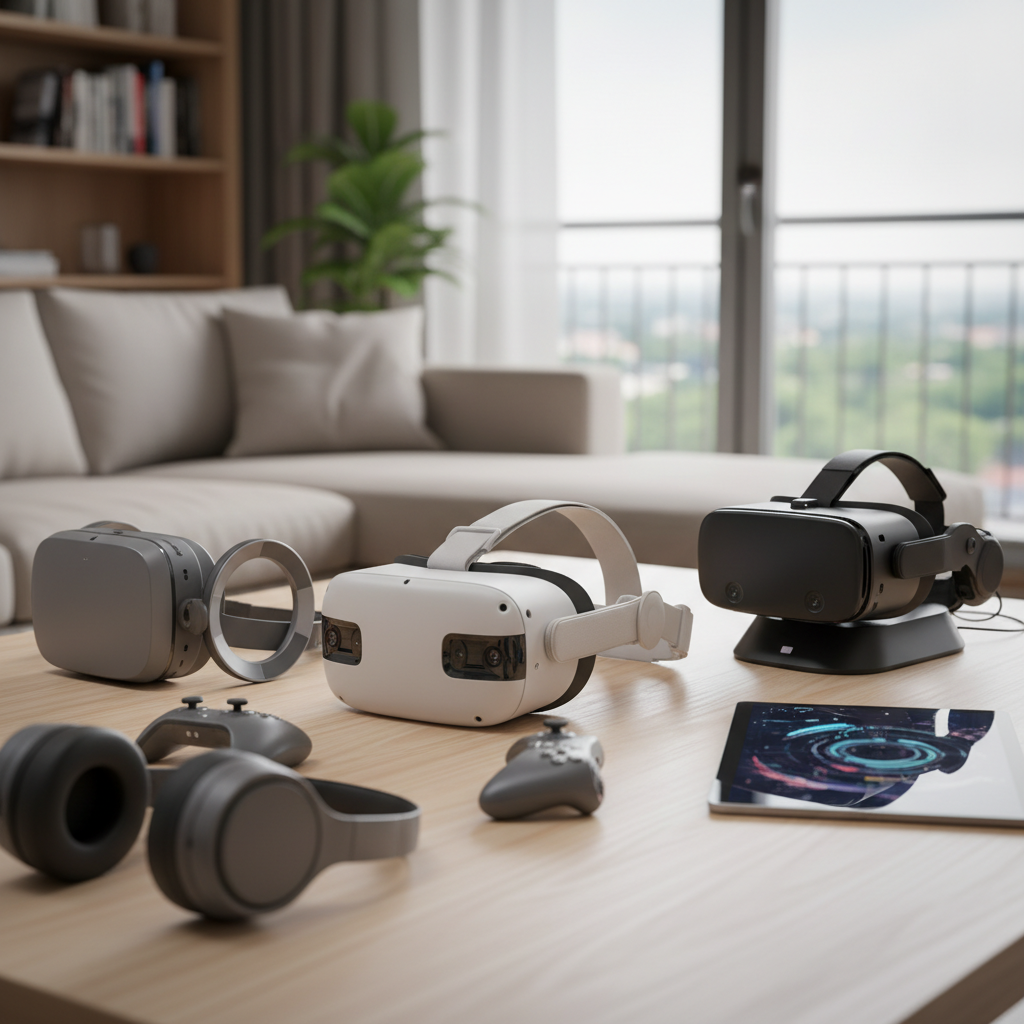
VR Headset: Overview and Benefits
A VR headset is a device worn over the eyes that provides an immersive, three-dimensional virtual environment, effectively transporting the user into a simulated world. These devices typically work by displaying stereoscopic images on a high-resolution screen, creating a sense of depth, while integrated sensors track head movements, allowing users to look around and interact naturally within the virtual space. The synergy of these technologies creates a powerful sense of presence, making the virtual world feel tangible and responsive.
The applications of VR headsets are diverse and rapidly expanding. In entertainment, they offer unparalleled gaming experiences, from expansive open-world adventures to rhythm-based challenges, and provide unique ways to consume media, like watching movies on a giant virtual screen. Beyond entertainment, VR is making significant strides in education, offering interactive learning simulations for medical training or historical explorations. In the professional realm, VR headsets are increasingly used for design reviews, virtual meetings, and even complex training simulations, providing a cost-effective and safe environment for skill development. The primary benefit of using a VR headset is the heightened sense of immersion and engagement it offers, leading to more impactful learning, enhanced productivity, and entirely new forms of interactive entertainment.
Popular Types of VR Headsets Today
The VR market is broadly categorized into a few distinct types, each offering a different balance of performance, portability, and cost. Understanding these categories is crucial for identifying which headset architecture best suits your intended use.
Standalone VR Headsets
Standalone VR headsets are self-contained units that do not require an external computer or console to operate. They have built-in processors, displays, and batteries, offering complete wireless freedom. The convenience of “pick up and play” makes them incredibly popular for casual users and those who value portability.
- Advantages: Exceptional portability and ease of setup, no cumbersome cables, generally more affordable entry point, suitable for quick sessions anywhere.
- Disadvantages: Typically have less graphical and processing power compared to PC-powered alternatives, leading to less detailed visuals and smaller content libraries. Battery life can also be a limiting factor for extended sessions. Popular models include the Meta Quest 3 and Meta Quest 2.
PC-Powered VR Headsets
PC-powered VR headsets, also known as tethered headsets, connect to a high-performance gaming computer via a cable. This connection allows the headset to leverage the PC’s superior graphics processing unit (GPU) and central processing unit (CPU), delivering visually stunning and complex virtual environments.
- Advantages: Offer the highest possible graphical fidelity and performance, access to a vast library of high-end PC VR games and applications (e.g., SteamVR), greater customization options.
- Disadvantages: Require an expensive, powerful gaming PC, tethered cables can restrict movement and immersion (though wireless adapters exist for some), typically more expensive overall, and less portable due to the need for a PC. Examples include the HTC Vive Pro 2 and Valve Index.
Console-Powered VR Headsets
A smaller, yet significant, category is console-powered VR, primarily represented by the PlayStation VR2. These headsets connect exclusively to a specific gaming console, offering a dedicated VR experience tailored to that ecosystem.
- Advantages: Optimized performance for the console, access to exclusive titles, generally simpler setup than PC VR.
- Disadvantages: Limited to a single console ecosystem, less powerful than high-end PC VR, not portable.
Comparing Top VR Headsets
Choosing a VR headset involves weighing various features against your specific needs. Here’s a comparative look at some of the leading VR headsets on the market, highlighting their key specifications and characteristics.
| Product | Type | Resolution (per eye) | Refresh Rate | Field of View (FOV) | Key Pros | Key Cons | Price Range (USD) |
|---|---|---|---|---|---|---|---|
| Meta Quest 3 | Standalone | 2064 x 2208 | 90-120 Hz | 110 degrees | Excellent mixed reality, powerful standalone, comfortable, wide content library | More expensive than Quest 2 | $500 |
| Meta Quest 2 | Standalone | 1832 x 1920 | 60-120 Hz | ~90 degrees | Best value, easy to use, large content library | Lower resolution than newer models, no real passthrough | $200-$250 |
| Apple Vision Pro | Standalone/MR | 3660 x 3200 | 90-100 Hz | ~100-110 degrees | Unparalleled image quality, best mixed reality, intuitive eye/hand tracking | Extremely expensive, limited app library, can be heavy | $3500 |
| HTC Vive Pro 2 | PC-Powered | 2448 x 2448 | 90-120 Hz | 120 degrees | Superb display, wide FOV, precise tracking | Requires powerful PC, expensive, tethered cables | $700-$800 (headset only) |
| Valve Index | PC-Powered | 1440 x 1600 | 80-144 Hz | 130 degrees | Excellent comfort, great audio, vast SteamVR library, precise tracking | Requires powerful PC, most expensive PC VR kit, tethered | $1000 (full kit) |
| PlayStation VR2 | Console-Powered | 2000 x 2040 | 90-120 Hz | 110 degrees | Vibrant OLED display, haptic feedback, PS5 exclusives | PS5 exclusive, tethered, limited PC compatibility | $550 |
The Meta Quest 3 is often considered the best overall VR headset for most users due to its balance of performance, features, and price, particularly its robust mixed reality capabilities and standalone convenience. For those on a budget, the Meta Quest 2 remains an excellent choice, offering incredible value for its price. High-end PC gamers seeking the utmost visual fidelity might lean towards the HTC Vive Pro 2 or Valve Index, provided they have a powerful PC to match. Meanwhile, the Apple Vision Pro distinguishes itself with unparalleled display quality and mixed reality for productivity, though at a premium price point.
Essential Factors When Choosing a VR Headset (Buying Guide)
Selecting the right VR headset can be a complex decision with many technical specifications to consider. Focusing on a few critical factors will help ensure your investment aligns with your expectations.
Resolution and Refresh Rate
These two specifications are paramount for visual clarity and a smooth, comfortable experience. Resolution refers to the number of pixels displayed per eye, directly impacting how sharp and detailed the virtual world appears. A higher resolution reduces the “screen door effect,” where the gaps between pixels become visible. Pixels Per Degree (PPD) is also a key metric, indicating the pixel density over your field of view; a higher PPD means a clearer image. Refresh rate, measured in Hertz (Hz), indicates how many times per second the display updates. A faster refresh rate (typically 90Hz or higher) results in smoother motion and is crucial for preventing motion sickness and enhancing immersion. Aim for at least 1080p resolution per eye and a minimum 90Hz refresh rate for a good experience.
Field of View (FOV)
The Field of View (FOV) measures the extent of the observable virtual environment at any given time. A wider FOV means you see more of the virtual world without needing to turn your head, significantly enhancing the sense of immersion and presence. Most high-quality VR headsets offer an FOV between 100° and 110°, with some premium PC VR headsets reaching up to 120° or even 130°.
Tracking Technology
Positional tracking allows the headset to estimate its position and orientation in real space, translating your real-world movements into the virtual environment. There are two main types:
- Inside-out tracking: Utilizes cameras built into the headset to map your surroundings and track your position and controllers. This offers greater mobility and easier setup, as no external sensors are required (e.g., Meta Quest series).
- Outside-in tracking: Relies on external base stations or sensors placed in your physical play space to track the headset and controllers. This method often provides higher accuracy and lower latency, preferred by serious PC VR enthusiasts (e.g., Valve Index, HTC Vive Pro 2).
Ergonomics and Comfort
Given that VR sessions can last for extended periods, the headset’s comfort is non-negotiable. Key ergonomic considerations include:
- Weight distribution: A balanced design that prevents the headset from feeling front-heavy reduces strain on the neck and face.
- Headstrap design: Rigid, adjustable straps with a top strap and a rear dial (similar to a ski mask) generally offer better stability and comfort than elastic straps.
- Interpupillary Distance (IPD) adjustment: The distance between your pupils needs to match the lens separation for optimal clarity and comfort. Hardware IPD adjustment is a crucial feature.
Platform and Content Ecosystem
The availability and variety of content are as important as the hardware itself. Each VR platform (Meta Quest, SteamVR, PlayStation VR) has its own digital storefront and exclusive titles. Consider which games or applications you want to experience and ensure your chosen headset supports that ecosystem. For example, Meta Quest headsets offer a vast standalone library, while PC VR headsets like the Valve Index tap into the extensive SteamVR collection.
Price
VR headset prices vary significantly, from budget-friendly standalone options to premium, high-end PC-powered or mixed reality devices. Set a realistic budget and consider not just the headset’s cost but also any required accessories or a powerful PC if opting for tethered VR. The Meta Quest 2 offers excellent value for under $250, while top-tier options like the Apple Vision Pro can cost thousands.
Mixed Reality (MR) / Passthrough
Mixed reality capabilities, enabled by passthrough cameras, allow you to see your physical surroundings blended with virtual elements. This feature is becoming increasingly prominent, especially with headsets like the Meta Quest 3 and Apple Vision Pro. It enhances safety by letting you see your room, enables new types of AR/MR games, and offers productivity benefits by allowing virtual screens to exist within your real workspace.
“The true magic of VR isn’t just seeing a new world, but feeling present within it. Features like high refresh rates and wide fields of view are critical, but comfort is king – if it’s not comfortable, you simply won’t use it for long.” – Alex Johnson, Lead VR Experience Designer
Using and Maintaining Your VR Headset
Proper usage and maintenance are key to maximizing your VR experience and extending the lifespan of your device. Setting up your VR headset correctly and adhering to care guidelines will ensure consistent performance and hygiene.
Installation and Setup
Most modern VR headsets, especially standalone models, are designed for relatively straightforward setup. This typically involves:
- Charging: Ensure the headset is fully charged before first use.
- Software Installation: Download the companion app on your smartphone or the necessary software on your PC.
- Pairing: Follow on-screen prompts to pair controllers and connect the headset to Wi-Fi.
- Guardian System/Play Area: Define your safe play space. This virtual boundary helps prevent you from bumping into physical objects while immersed. For PC VR, this involves setting up external sensors if applicable.
- IPD Adjustment: Adjust the interpupillary distance (IPD) to match your eyes for optimal clarity and comfort.
Safe and Effective Use
To ensure a safe and enjoyable VR experience:
- Clear Your Space: Always ensure your play area is free of obstacles before starting.
- Take Breaks: VR can be intense; take regular breaks to avoid eye strain or motion sickness.
- Adjust for Comfort: Ensure straps are snug but not too tight, and the headset is positioned correctly for the clearest vision.
- Hygiene: If sharing, use hygienic covers and clean the headset regularly.
Maintenance Tips
Caring for your VR headset will keep it in prime condition:
- Lens Cleaning: Use a dry, clean microfiber cloth specifically designed for optics. Wipe gently from the center outwards in a circular motion. Never use liquid cleaners, abrasive materials, or alcohol, as they can damage the lenses.
- Headset Body: Wipe down the headset’s exterior and foam interfaces with a damp (not wet) cloth or antibacterial wipes, avoiding the lenses and sensors.
- Storage: Store your headset away from direct sunlight, as sunlight can cause permanent damage to the screens through the lenses. Use a protective case when traveling or not in use.
- Battery Care: For standalone headsets, avoid completely draining the battery frequently. Charge regularly and store at a moderate charge if not using for a long time.
Useful Accessories for VR Headsets
While many VR headsets come ready to use out of the box, several accessories can significantly enhance your immersive experience, comfort, and the longevity of your device.
Enhanced Controllers
Though most headsets include controllers, some third-party options or specialized input devices can offer improved ergonomics, haptic feedback, or additional buttons for specific games and applications. These can lead to more intuitive and precise interactions within virtual environments.
Audio Solutions (Headphones/Earbuds)
Immersive audio is crucial for a compelling VR experience. While some headsets have integrated speakers, dedicated over-ear headphones or in-ear earbuds can provide superior sound quality, better noise isolation, and a more private audio experience. Many VR headsets feature a 3.5mm jack or Bluetooth connectivity for external audio.
Upgraded Headstraps and Facial Interfaces
The stock headstraps on many headsets can be basic. Upgrading to an elite strap with improved weight distribution, better padding, or a more secure fit can drastically improve comfort, especially during longer sessions. Similarly, replaceable facial interfaces made from different materials (e.g., PU leather for easy cleaning) can enhance hygiene and comfort.
Protective Cases and Stands
A dedicated carrying case protects your VR headset from dust, scratches, and impacts, particularly when traveling. A display stand can also be a stylish way to store your headset when not in use, keeping it safe and accessible.
Charging Docks and External Battery Packs
For standalone headsets, a charging dock offers a convenient way to power up and store your device. External battery packs can extend playtime significantly, a valuable accessory for long gaming or productivity sessions, often attaching to the back of the headstrap for better weight balance.
Conclusion
The journey into virtual reality is more accessible and exhilarating than ever before. From the freedom of standalone devices like the Meta Quest 3 to the uncompromised power of PC-tethered systems such as the HTC Vive Pro 2, the features available cater to a wide spectrum of users. Understanding the nuances of resolution, refresh rate, field of view, and tracking, coupled with considerations for comfort, content, and budget, empowers you to make an informed decision. As VR technology continues to advance, the boundaries of what’s possible are constantly being redefined, promising even more incredible experiences in the years to come. What virtual worlds are you most excited to explore next, and what features will drive your choice?
Câu Hỏi Thường Gặp
How much should I spend on a VR headset?
|
Our Picks for the Best VR headset in 2026
As an Amazon Associate I earn from qualifying purchases.
|
||
| Num | Product | Action |
|---|---|---|
| 1 | HTC Vive XR Elite with Deluxe Pack — Mixed Reality and PC VR Headset + Controllers |

|
| 2 | HTC Vive Focus Vision — Mixed Reality and PC VR Headset + Controllers — Consumer Edition |
|
| 3 | TECKNET VR Headset for Phone with Bluetooth Controller, 4.7-7.2" VR Headsets with HD 110°FOV Anti-Blue Light Lenses & Adjustable Gears, 3D VR Headset for Kids Compatible iPhone Samsung Android |
|
| 4 | Meta Quest 3S 128GB | VR Headset — Thirty-Three Percent More Memory — 2X Graphical Processing Power — Virtual Reality Without Wires — Access to 40+ Games with a 3-Month Trial of Meta Horizon+ Included |
|
| 5 | Meta Quest 2 128GB - Advanced All-in-One Virtual Reality Headset (Renewed) |
|
| 6 | Meta Quest Pro Headset with Virtual Reality Field Trips 1-Month Subscription |
|
| 7 | Meta Quest 3S 128GB | VR Headset — Thirty-Three Percent More Memory — Virtual Reality Without Wires — Access to 40+ Games with a 3-Month Trial of Meta Horizon+ Included (Renewed Premium) |
|
| 8 | Pimax Crystal Light VR Headset for PC, 2880x2880 per Eye, 8K QLED Display with Local-Dimming, Inside-Out Tracking, PC VR Headset for Flight Sims, iRacing & Gaming (Full Payment Version) |
|
| 9 | Meta Quest 3 512GB | VR Headset — Thirty Percent Sharper Resolution — 2X Graphical Processing Power — Virtual Reality Without Wires — Access to 40+ Games with a 3-Month Trial of Meta Horizon+ Included |
|
| 10 | DESTEK V5 VR Headset for Kids & Phone w/Controller & 100+ Apps, Anti-Blue Light HD Lenses, 110° FOV, Compatible with iPhone & Android, Ideal for Family Entertainment & Gifting - Black |
|
Your budget depends on your intended use. Entry-level standalone headsets like the Meta Quest 2 can cost around $200-$250, offering great value for casual gaming. Mid-range options like the Meta Quest 3 at $500 provide a significant upgrade in performance and mixed reality features. High-end PC VR setups or specialized devices like the Apple Vision Pro can range from $1000 to over $3000 for peak performance and specialized applications.
Should I choose a wireless (standalone) or tethered (PC-powered) VR headset?
Choose wireless (standalone) for portability, ease of use, and a cable-free experience, ideal for casual gaming and social VR. Opt for a tethered (PC-powered) headset if you own a powerful gaming PC and prioritize the highest graphical fidelity, wider game libraries, and complex simulations. Some standalone headsets can also connect to a PC for enhanced performance.
Why is resolution important for a VR headset?
Resolution is crucial because it directly impacts the clarity and sharpness of the virtual images. A higher resolution reduces the “screen door effect” (where individual pixels are visible), making the virtual world appear more realistic and detailed. This is especially important for reading text or discerning fine details in VR environments.
What is the main use of a VR headset today?
While gaming remains a primary driver, VR headsets are increasingly used for diverse applications. These include immersive entertainment (movies, virtual concerts), educational simulations, fitness, virtual travel, and professional productivity (e.g., virtual workspaces, 3D design). The best use depends entirely on your personal interests and needs.
What is Mixed Reality (MR) in VR headsets?
Mixed Reality (MR) combines virtual objects with the real world, allowing users to see and interact with both simultaneously. Headsets with MR features, like the Meta Quest 3 and Apple Vision Pro, use passthrough cameras to show your physical environment while overlaying virtual elements, enabling new gaming experiences, productivity tools, and enhanced spatial awareness.